
Buy now Pills

Define Azithromycin: A Comprehensive Guide to Understanding and Using This Antibiotic

To define azithromycin is to understand it as a macrolide antibiotic, widely prescribed for treating various bacterial infections. It works by inhibiting bacterial protein synthesis, effectively stopping the growth and spread of bacteria. This makes it a valuable tool in combating infections like pneumonia, bronchitis, and sexually transmitted diseases. Defining azithromycin also involves recognizing its unique pharmacokinetic properties, allowing for convenient single-dose regimens in some cases.

Many patients seek to define azithromycin because they are experiencing symptoms of a bacterial infection. It's crucial to consult with a healthcare professional for an accurate diagnosis and the appropriate treatment plan. Self-treating can lead to antibiotic resistance, a growing concern in modern medicine. Therefore, understanding how to define azithromycin is just the first step towards responsible antibiotic use.

The term "define azithromycin" often arises in medical discussions and patient inquiries. It's a search for clarity regarding its mechanism of action, common uses, and potential risks. Healthcare providers play a vital role in educating patients about the importance of adhering to prescribed dosages and completing the entire course of treatment. Proper understanding helps define azithromycin’s role in effective infection management.

  • Guaranteed Quality: We provide only authentic, top-grade Azithromycin sourced from reputable, certified pharmaceutical manufacturers.
  • Great Value: Take advantage of budget-friendly pricing and special deals to make your Azithromycin purchase more affordable.
  • Fast & Private Delivery: Receive your order quickly with dependable international shipping and discreet, secure packaging designed to protect your privacy every step of the way.
Define Azithromycin

Pharmacological Action of Azithromycin

Azithromycin, a macrolide antibiotic, exerts its antibacterial effect by inhibiting bacterial protein synthesis. It binds to the 50S ribosomal subunit, preventing the translocation of peptidyl-tRNA and thus halting bacterial growth. This mechanism is effective against a wide range of bacteria, including Gram positive and Gram-negative organisms. Understanding this action is key to defining azithromycin’s effectiveness.

The drug exhibits excellent tissue penetration, achieving high concentrations in respiratory tract tissues and macrophages. This characteristic contributes to its efficacy in treating infections like pneumonia and bronchitis. Furthermore, azithromycin demonstrates a long half-life, allowing for once-daily dosing and convenient treatment regimens. This pharmacokinetic profile is a defining feature of azithromycin.

Azithromycin Compared to Other Antibiotics

Compared to other macrolides like erythromycin, azithromycin exhibits improved tolerability and a longer half-life. This translates to fewer gastrointestinal side effects and the possibility of shorter treatment courses. Many patients prefer azithromycin due to its convenience and reduced risk of adverse reactions, which helps define azithromycin’s appeal.

While penicillin-based antibiotics are effective against certain bacterial infections, azithromycin offers a broader spectrum of activity. It is particularly useful in treating infections caused by bacteria resistant to other antibiotics. This versatility makes azithromycin a valuable alternative in cases where other treatments have failed, further defining its importance.

Indications for Azithromycin Use

Azithromycin is commonly prescribed to treat respiratory tract infections, including pneumonia, bronchitis, and sinusitis. It's also effective against sexually transmitted infections like chlamydia and gonorrhea. A healthcare professional will determine if azithromycin is the appropriate treatment based on a patient's specific condition, helping to define its application.

Beyond these common uses, azithromycin can be used to treat skin infections, ear infections, and certain types of eye infections. It's important to note that azithromycin is not effective against viral infections like the common cold or flu. Therefore, accurate diagnosis and appropriate prescribing are essential to define azithromycin’s correct usage.

Forms and Composition of Azithromycin

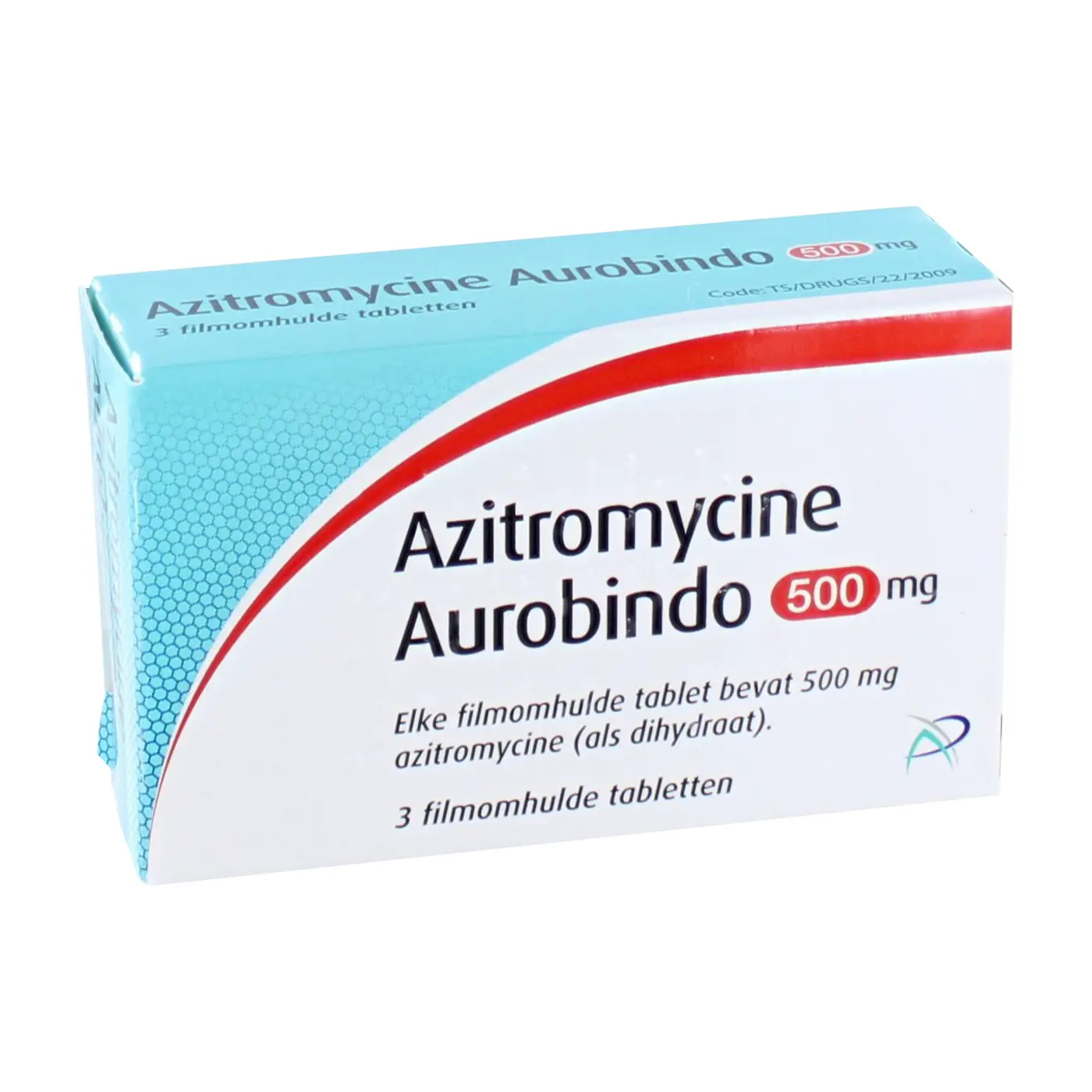
Azithromycin is typically available in oral forms, including tablets, capsules, and a liquid suspension for children. It's also available as an intravenous formulation for hospital settings where rapid administration is required. Understanding these different forms helps define how azithromycin can be administered.

The active ingredient in all forms of azithromycin is the same: a synthetic macrolide antibiotic. The dosage and formulation may vary depending on the severity of the infection and the patient's individual needs. Always follow your doctor’s instructions regarding dosage and administration to define azithromycin's proper use.

Dosage and Administration of Azithromycin

The typical dosage for adults is 500 mg once daily for a duration of 3–5 days, depending on the type and severity of infection. For certain infections, a single dose of 1000 mg may be prescribed. Always consult with your doctor to determine the appropriate dosage and duration of treatment, helping define azithromycin’s correct application.

It's important to take azithromycin with or without food, but consistency is key. Completing the entire course of treatment as prescribed by your doctor is crucial to ensure effective eradication of the infection and prevent antibiotic resistance. This adherence helps define azithromycin’s role in successful treatment.

Contraindications for Azithromycin Use

Azithromycin is contraindicated in patients with known allergies to macrolide antibiotics, such as erythromycin or clarithromycin. It should also be avoided in patients with a history of prolonged QT interval, as it can increase the risk of heart rhythm abnormalities. Understanding these contraindications is vital to define azithromycin’s safe usage.

Pregnant or breastfeeding women should consult with their doctor before taking azithromycin, as its safety during these periods has not been fully established. Individuals with liver or kidney disease should also exercise caution and discuss the potential risks with their healthcare provider, further defining its limitations.

Side Effects of Azithromycin

Common side effects include nausea, vomiting, diarrhea, and abdominal pain. These are typically mild and transient, resolving on their own without medical intervention. However, it's important to report any persistent or severe gastrointestinal symptoms to your doctor.

Rare but serious side effects include allergic reactions, liver problems (jaundice), and heart rhythm abnormalities. Seek immediate medical attention if you experience any signs of a severe allergic reaction or concerning cardiac symptoms, further defining the potential risks.

Azithromycin Overdose

Symptoms of azithromycin overdose may include nausea, vomiting, diarrhea, abdominal pain, and dizziness. In severe cases, it can lead to heart rhythm abnormalities and seizures. Seek immediate medical attention if you suspect an overdose.

Treatment for azithromycin overdose is primarily supportive, focusing on managing symptoms and preventing complications. There is no specific antidote for azithromycin overdose.

Azithromycin Analogs and Substitutes

Clarithromycin and erythromycin are other macrolide antibiotics that share a similar mechanism of action with azithromycin. However, they may have different side effect profiles or drug interactions. Your doctor can advise on the most appropriate alternative based on your individual circumstances, helping define options.

Antibiotics from other drug classes, such as tetracyclines or fluoroquinolones, may also be considered as substitutes for azithromycin in certain situations. The choice of antibiotic will depend on the type and severity of infection, as well as any allergies or other medical conditions.

Storage Conditions for Azithromycin

Azithromycin should be stored at room temperature, away from direct sunlight and moisture. Keep the medication out of reach of children and pets. Proper storage helps maintain its potency and effectiveness, defining its longevity.

Check the expiration date on the packaging before using azithromycin. Discard any expired medication to prevent accidental ingestion and ensure optimal treatment outcomes.

Azithromycin FAQ

No, azithromycin is an antibiotic and only effective against bacterial infections. It will not work against viral infections like the common cold or flu.

Azithromycin can interact with certain medications, such as blood thinners and some heart medications. It's important to inform your doctor about all the medications you are taking before starting azithromycin.

You may start feeling better within a few days of starting azithromycin. However, it's important to complete the entire course of treatment as prescribed by your doctor, even if you start feeling better sooner.

Take the missed dose as soon as you remember, unless it's almost time for your next scheduled dose. Do not double the dose to catch up.

It's generally recommended to avoid alcohol while taking azithromycin, as it can increase the risk of gastrointestinal side effects.

Azithromycin is often prescribed to children, but the dosage will vary depending on their weight and age. Always follow your doctor’s instructions carefully.

Whether or not you can get a refill of your azithromycin prescription will depend on the regulations in your area and your doctor’s discretion.

Signs of an allergic reaction may include rash, hives, itching, swelling, difficulty breathing, or anaphylaxis. Seek immediate medical attention if you experience any of these symptoms.

Consult your doctor before taking azithromycin if you are pregnant or breastfeeding. The risks and benefits should be carefully weighed.

Complete the entire course of antibiotics as prescribed by your doctor, even if you start feeling better sooner. Do not share antibiotics with others and only take them when necessary.

Why Choose Azithromycin?

Effective Against Bacterial Infections: Azithromycin is a powerful weapon against a wide range of bacterial infections, providing relief and promoting recovery.

Convenient Dosage: The once-daily dosage makes azithromycin easy to take and fits seamlessly into your daily routine.

Broad Spectrum Antibiotic: Azithromycin's broad spectrum of activity ensures it can tackle various bacterial strains effectively.

Tissue Penetration: Azithromycin's ability to penetrate tissues ensures it reaches the site of infection, maximizing its impact.

Long Half-Life: The long half-life allows for convenient dosing schedules and sustained antibiotic action.

Always follow your doctor’s instructions for the best results and safety.

Buy now Pills

Contacts

Working Hours

24\7 customer support service