
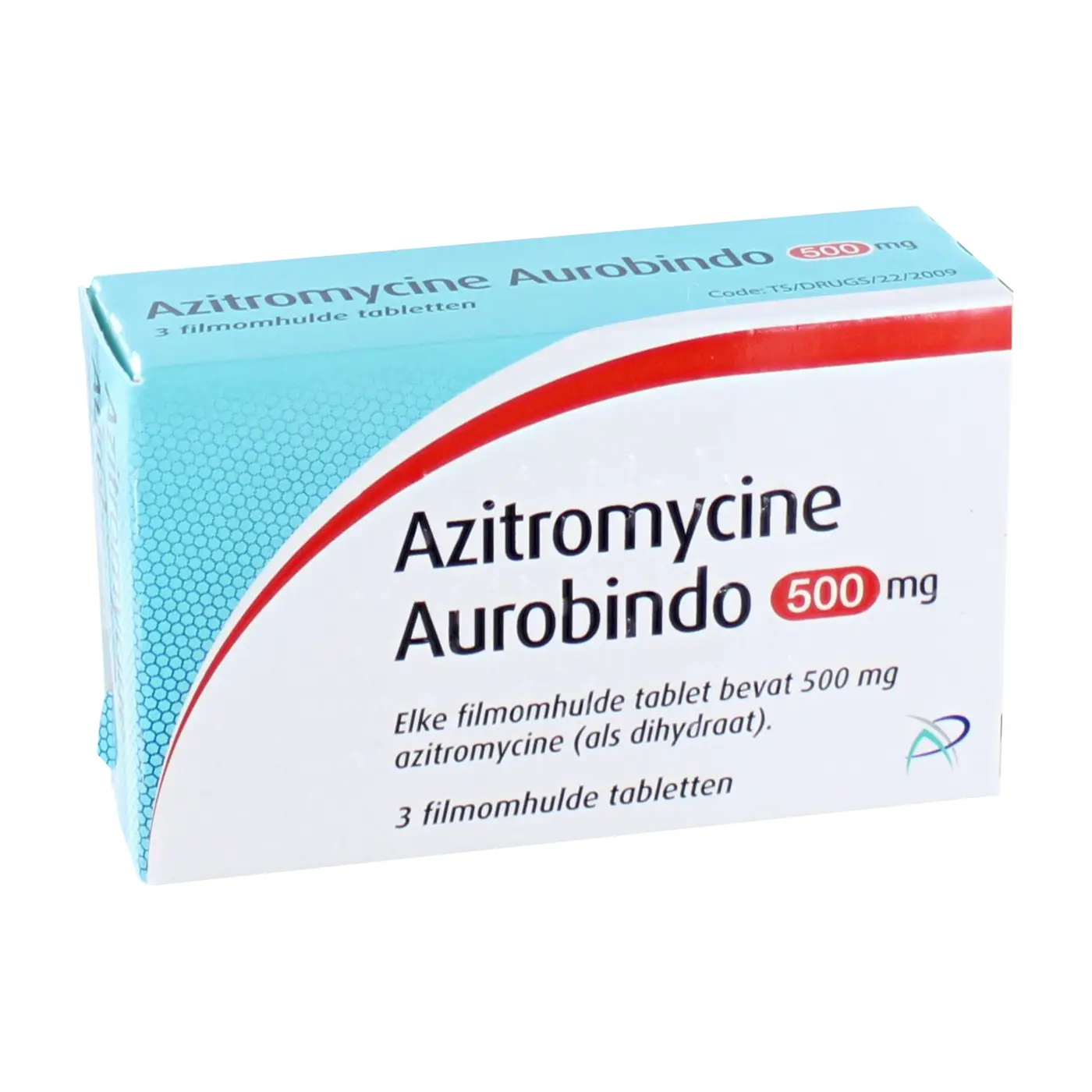
Buy now Pills

What Is A Z Pack: Understanding Azithromycin and Its Uses

A "Z-Pak" is a brand name for azithromycin, an antibiotic belonging to the macrolide class. It's a commonly prescribed medication used to treat various bacterial infections, known for its convenient single-dose or short-course regimen. Many patients appreciate the ease of taking a Z-Pak, as it often requires fewer pills compared to other antibiotics. What is a z pack? It's a simple solution for many common infections.

The popularity of what is a z pack stems from its effectiveness and ease of use. It's often prescribed for respiratory infections like bronchitis, pneumonia, and sinusitis. Azithromycin works by inhibiting bacterial protein synthesis, effectively stopping the growth of bacteria. It's a valuable tool in combating bacterial infections.

When considering what is a z pack, it's important to remember that antibiotics are not effective against viral infections. Using antibiotics inappropriately can contribute to antibiotic resistance, a serious public health concern. Always consult with your doctor before taking any medication, including what is a z pack.

  • Guaranteed Quality: We provide only authentic, top-grade Azithromycin sourced from reputable, certified pharmaceutical manufacturers.
  • Great Value: Take advantage of budget-friendly pricing and special deals to make your Azithromycin purchase more affordable.
  • Fast & Private Delivery: Receive your order quickly with dependable international shipping and discreet, secure packaging designed to protect your privacy every step of the way.
What Is A Z Pack

How Azithromycin Works: The Pharmacology

Azithromycin, the active ingredient in what is a z pack, exerts its antibacterial effect by inhibiting bacterial protein synthesis. It binds to the 23S ribosomal RNA of susceptible bacteria, preventing the formation of proteins essential for bacterial growth and survival. This mechanism effectively halts the progression of infection.

The drug exhibits broad-spectrum activity, meaning it's effective against a wide range of bacteria. It’s particularly useful in treating infections caused by gram-positive and some gram-negative organisms. Understanding the pharmacology behind what is a z pack helps appreciate its effectiveness.

Azithromycin vs. Other Antibiotics

Compared to other macrolide antibiotics like erythromycin, azithromycin demonstrates improved tolerability and a longer half-life. This extended half-life allows for shorter treatment courses, contributing to the convenience of what is a z pack. It's often preferred for its reduced risk of gastrointestinal side effects.

While penicillin-based antibiotics are effective against certain infections, azithromycin offers an alternative for patients with penicillin allergies. It's also considered a good option when dealing with infections that require broader spectrum coverage, making what is a z pack a versatile choice.

When is Azithromycin Prescribed?

Azithromycin, the core of what is a z pack, is commonly prescribed for respiratory tract infections such as bronchitis, pneumonia, and sinusitis. It's also used to treat sexually transmitted infections (STIs) like chlamydia and gonorrhea, although other treatments may be preferred.

Beyond respiratory and STIs, azithromycin can treat skin infections, ear infections, and certain types of eye infections. Your doctor will determine if what is a z pack is the appropriate treatment based on your specific diagnosis and medical history.

Forms and Composition of Azithromycin

Azithromycin is typically available in several forms, including oral tablets, capsules, and a liquid suspension for those who have difficulty swallowing pills. The standard dosage is 500mg, but your doctor may adjust the dose based on your individual needs.

Each tablet or capsule contains a specific amount of azithromycin, along with inactive ingredients that help with absorption and stability. Always check the label to confirm the dosage and any potential allergens.

How to Take Azithromycin: Dosage and Administration

The typical dosage for what is a z pack involves taking one 500mg tablet once daily for five days. It's crucial to complete the entire course of treatment, even if you start feeling better before finishing all the pills. Stopping early can lead to incomplete eradication of the infection and potential antibiotic resistance.

Take azithromycin with or without food, as it doesn't significantly affect its absorption. However, taking it with a full glass of water can help prevent gastrointestinal discomfort. Always follow your doctor's instructions carefully regarding dosage and duration of treatment.

When Should Azithromycin Be Avoided?

Individuals with known allergies to azithromycin or other macrolide antibiotics should avoid taking what is a z pack. It's also contraindicated in patients with certain heart conditions, such as prolonged QT interval syndrome, as azithromycin can exacerbate this condition.

Pregnant or breastfeeding women should consult with their doctor before taking azithromycin, as its safety during these periods hasn't been fully established. Individuals with liver disease should also exercise caution and discuss the risks and benefits with their healthcare provider.

Potential Side Effects of Azithromycin

Common side effects of what is a z pack include nausea, vomiting, diarrhea, and abdominal pain. These are usually mild and resolve on their own within a few days. Some patients may experience headaches or dizziness.

Less common but more serious side effects include allergic reactions (rash, hives, difficulty breathing), liver problems (jaundice, dark urine), and heart rhythm abnormalities. Seek immediate medical attention if you experience any concerning symptoms.

What to Do in Case of Overdose

If you suspect an overdose of azithromycin, seek immediate medical attention. Symptoms may include nausea, vomiting, diarrhea, abdominal pain, dizziness, and irregular heartbeat. Contact your local emergency services or poison control center for guidance.

Alternatives to Azithromycin: Analogs and Substitutes

Other macrolide antibiotics, such as erythromycin and clarithromycin, are considered analogs of azithromycin. While they share a similar mechanism of action, they may have different side effect profiles or effectiveness against specific bacteria. Your doctor will determine the most appropriate alternative based on your individual needs.

Antibiotics from other classes, such as penicillins and cephalosporins, may be used as substitutes for azithromycin in certain situations. These antibiotics work through different mechanisms, making them effective against bacteria that are resistant to macrolides. Always consult with your doctor before switching medications.

Proper Storage of Azithromycin

Store azithromycin tablets or capsules at room temperature, away from heat, moisture, and direct sunlight. Keep the medication out of reach of children and pets. Check the expiration date on the label and discard any expired medication.

Azithromycin FAQ

No, azithromycin is an antibiotic and only effective against bacterial infections. It will not work against viral infections like the common cold or flu.

Azithromycin can interact with certain medications, such as blood thinners and some heart medications. It's important to inform your doctor about all the medications you are taking before starting azithromycin.

Most people start feeling better within a few days of starting azithromycin. However, it's crucial to complete the entire course of treatment as prescribed by your doctor to ensure the infection is completely eradicated.

If you miss a dose, take it as soon as you remember. However, if it's almost time for your next dose, skip the missed dose and continue with your regular schedule. Do not double the dose to catch up.

It's generally recommended to avoid alcohol while taking azithromycin, as it can increase the risk of gastrointestinal side effects and may interact with the medication.

Azithromycin is often prescribed to children, but the dosage will be adjusted based on their weight and age. Always follow your doctor's instructions carefully when giving medication to children.

No, azithromycin (Z-Pak) is a prescription medication and requires a doctor's order. Self-treating with antibiotics can be dangerous and contribute to antibiotic resistance.

Signs of an allergic reaction can include rash, hives, itching, swelling (especially of the face or throat), difficulty breathing, and dizziness. Seek immediate medical attention if you experience any of these symptoms.

Like many antibiotics, azithromycin can disrupt the balance of bacteria in your gut. Taking probiotics during and after treatment may help restore a healthy microbiome, but always consult with your doctor first.

No, antibiotics are prescribed for a specific individual and diagnosis. Sharing medication is illegal and can be harmful to the other person, as they may have a different infection or allergies.

Why Choose Azithromycin?

Convenience: Short-course treatment means fewer pills to take.

Broad Spectrum: Effective against a wide range of bacteria.

Improved Tolerability: Fewer gastrointestinal side effects compared to some other antibiotics.

Oral Administration: Easy to take at home, no need for injections.

Once-Daily Dosage: Simplifies treatment regimen and improves adherence.

Always follow your doctor’s instructions for the best results and safety.

Buy now Pills

Contacts

Working Hours

24\7 customer support service